
Collagen, Hold the Hype. V. Myths vs. Reality
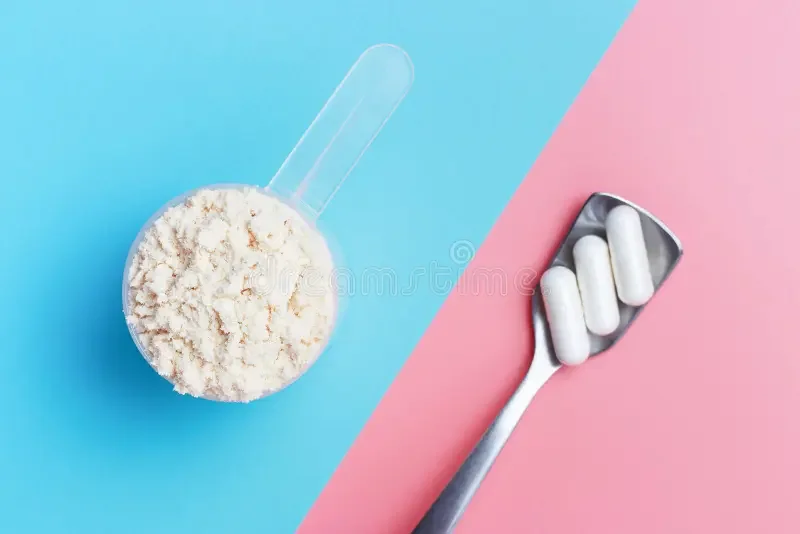
Collagen is in coffee, gummies and just about anything with “glow” on the label. And if you’ve noticed your skin getting drier or less firm around menopause, the pitch makes sense. Skin naturally loses collagen as estrogen declines. The question is whether a scoop in your coffee or a single capsule will make a difference. And, when should you start? There’s no set age when you need to add collagen to your routine. A better question is what you’re hoping it will do?
I. The myth. Collagen smooths wrinkles.
The reality. Some studies report better skin hydration or elasticity, but a 2025 review of 23 trials found those benefits disappeared when researchers looked only at the higher-quality studies. A 2026 review found some signs of better hydration and elasticity, with much shakier evidence for wrinkle reduction. If you’re paying for fewer wrinkles, the evidence is thin. pubmed.ncbi.nlm.nih.gov
II. The myth. Collagen rebuilds worn-out joints.
The reality. A review of 11 trials found that some oral collagen products eased pain and improved function in people with knee osteoarthritis. Results varied widely across studies, and the trials measured symptoms. Whether collagen can rebuild cartilage is still unproven. pubmed.ncbi.nlm.nih.gov
III. The myth. A scoop of collagen is the same as a scoop of protein powder.
The reality. Collagen is a protein, but it lacks tryptophan, an essential amino acid. In a small trial of older women, whey stimulated muscle protein synthesis more effectively than collagen. If your midlife goal is to stay strong, put foods like Greek yogurt, eggs or tofu first. pmc.ncbi.nlm.nih.gov
IV. The myth. “Vegan collagen” is collagen from plants.
The reality. Plants don’t naturally make collagen. Many products labeled “vegan collagen” are boosters that contain ingredients such as vitamin C or amino acids. Your body needs vitamin C to make its own collagen, and you can get it from foods like bell peppers or strawberries. Some animal-free collagen can also be made by engineered microbes through fermentation. Check the ingredient list to see which kind of product you’re buying. pmc.ncbi.nlm.nih.gov
V. The myth. Any tub of collagen will do.
The reality. “Hydrolyzed collagen” (collagen peptides) and “undenatured type II collagen” are different preparations, studied at different doses. If you’re comparing products, check the form, the amount per serving and the source. Bovine means cattle, and marine collagen is commonly fish-derived, which matters if you have a fish allergy. The FDA doesn’t approve supplements for safety or effectiveness before they go on sale. pmc.ncbi.nlm.nih.gov
Verbena does not provide medical advice, diagnosis, or treatment and is not a medical provider. Consult you registered physician, RN or nutritionist for additional collagen information. If you think you may have a medical emergency, call your doctor or 911 immediately.