
NAD+: The New Anti-Aging Obsession. V. Things to Know Before Buying Into the Hype
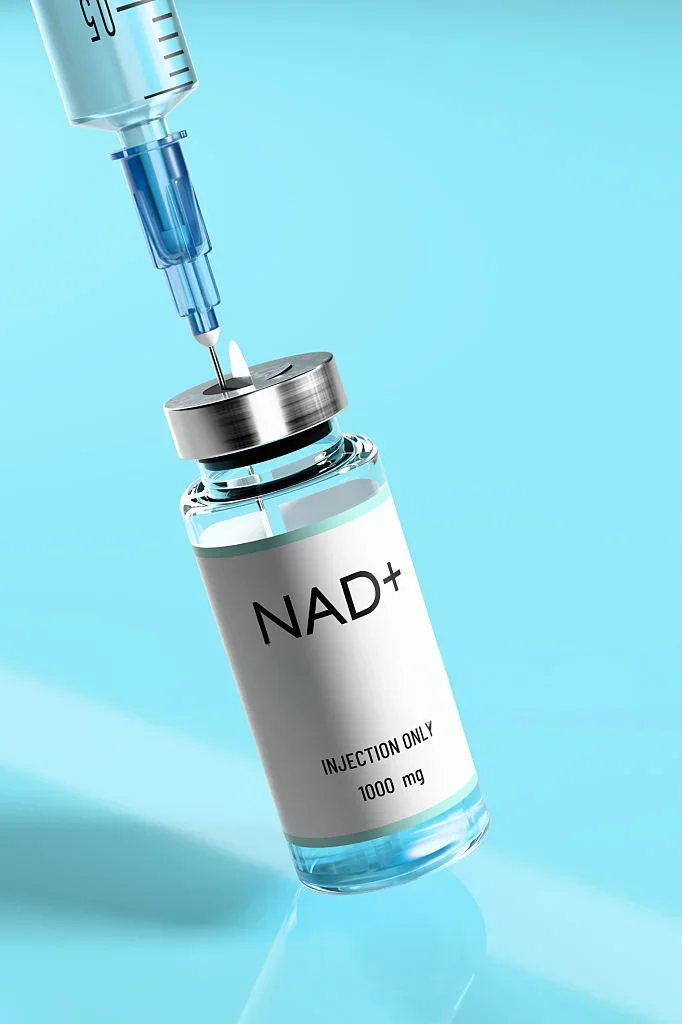
If you've been hearing more about NAD+, you're not alone. It's popping up in longevity conversations, wellness clinics and supplement aisles, with promises of everything from renewed energy and sharper thinking to slowing the aging process. And who wouldn't be interested in feeling younger, thinking clearer and staying healthier longer? But before you add another supplement to your daily routine, it's worth understanding what NAD+ actually does, what the latest research tells us and where the science hasn't quite caught up with the hype.
From supplements to IV drips, NAD+ promises more energy, better brain health and healthier aging.
Here are V. things the science actually says:
I. NAD+ isn't new. The hype is.
NAD+ (nicotinamide adenine dinucleotide) is a molecule found in every living cell. It helps convert nutrients into energy and supports processes involved in DNA repair and cellular health.
Researchers have been studying its role in aging for years. Changes in NAD+ metabolism may contribute to some age-related conditions, although the extent to which NAD+ levels decline with age in humans is still being investigated.
What's new is the booming market for products promising to restore those levels and, potentially, turn back the biological clock.
The reality: NAD+ is essential for healthy cells, but that doesn't mean taking more will make you younger.
II. Supplements can raise NAD+ levels. But do they make you healthier?
Two of the most widely studied supplements are nicotinamide riboside (NR) and nicotinamide mononucleotide (NMN). Both are compounds the body can use to produce NAD+.
A comprehensive 2026 review examined 33 human intervention studies and found that oral NR and NMN can increase NAD-related levels in the blood or certain cells.
The catch? Improvements in metabolism, physical performance and other measures of healthy aging were inconsistent.
The reality: Raising NAD+ levels is one thing. Proving that those changes translate into better health or longer life is another.
III. There's promising research specifically involving women.
Here's where the research gets particularly interesting.
A clinical trial published in Science studied 25 postmenopausal women with prediabetes who were overweight or obese. After 10 weeks, women taking NMN experienced improvements in how their muscles responded to insulin.
That's encouraging because insulin resistance is an important factor in metabolic health, including during and after menopause.
However, the study didn't establish that NMN prevents diabetes, promotes weight loss or slows aging. And the findings have yet to be confirmed in larger, longer trials.
The reality: There are promising signals for women's metabolic health, but not enough evidence to recommend NMN routinely for menopause or healthy aging.
IV. NAD+ IV drips aren't necessarily better than supplements.
Wellness clinics are increasingly offering NAD+ infusions and injections, often promoting them for energy, mental clarity, recovery and longevity.
But delivering NAD+ directly into your bloodstream doesn't automatically translate into better results.
Clinical evidence supporting NAD+ infusions for general wellness or anti-aging remains extremely limited. There are also safety considerations. The FDA has warned about contamination risks involving improperly compounded injectable NAD+ products and has received reports of serious adverse reactions.
The reality: More invasive doesn't mean more effective. NAD+ infusions have not been proven to slow aging or improve overall wellness.
V. The best longevity strategies are still surprisingly familiar.
Here's the part that isn't getting nearly as much social media attention.
Your body naturally produces NAD+ using nutrients that include vitamin B3 and the amino acid tryptophan, both found in everyday foods.
And while research continues into whether NAD+-boosting supplements offer additional benefits, the strongest evidence for healthier aging still supports habits we already know: regular exercise, strength training, balanced nutrition, sufficient sleep and managing cardiovascular and metabolic risk factors.
That doesn't mean NAD+ supplements will never have a meaningful role in preventive medicine. It means the research isn't there yet.
The reality: You don't need an expensive supplement or IV drip to start investing in healthy aging. For now, the most effective strategies are also among the most accessible.
The Bottom Line
NAD+ is an exciting area of longevity research, and early studies offer legitimate reasons to keep watching. But there's an important difference between supporting cellular function and actually slowing the aging process.
For women considering NAD+ supplements, particularly at midlife and beyond, the smartest approach is to follow the science, discuss potential benefits and risks with a healthcare professional, and remember that promising research isn't the same as proven results.
Verbena does not provide medical advice, diagnosis, or treatment and is not a medical provider. Consult you registered physician, RN or nutritionist for additional NAD+ information. If you think you may have a medical emergency, call your doctor or 911 immediately.